Oral Surgery
Tafur Dental Clinic.
In addition to the recommended treatment, oral surgery also focuses on the prevention, study, diagnosis, and rehabilitation of oral conditions. These types of procedures are indicated, for example, for the removal of wisdom teeth, helping to relieve the problems they may cause to your oral health.
Oral surgery is also used to treat issues affecting the oral mucosa, such as correcting frenulum abnormalities or removing benign cysts.
In this section, we will discuss oral surgery related to the replacement of missing teeth through the placement of dental implants. There are three oral surgery techniques, and the choice of which to use during the procedure will be made by the surgeon. The technique selected does not affect the overall clinical results.
Types of oral surgery for dental implants
Conventional
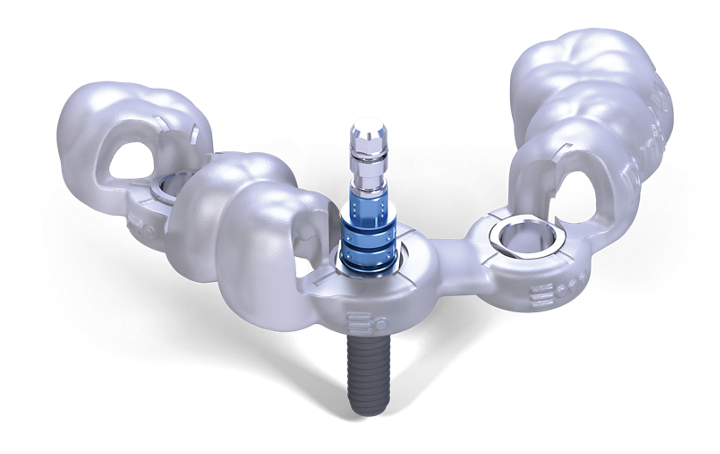
Computer-Guided Surgery
Computer-Navigated Surgery
Conventional Oral Surgery
This technique is generally used to place dental implants in patients who have little or poor-quality bone. The procedure begins with a precise incision in the middle of the gum, providing proper visibility and access to the treatment area.
The soft tissue is then lifted to expose the bone ridge.
Bone grafting and implant placement are carried out.
Finally, the gum is sutured. Two types of sutures may be used: absorbable or non-absorbable. In the latter case, the stitches are removed 7 days after surgery.
Sedation at Tafur Dental Clinic
At Tafur dental clinic your peace of mind and comfort is very important to us when performing a treatment dental doctor; If going to the dentist causes you a bit of nerves and you want to be a little more calm and relaxed you. We can offer two ways to achieve this:
Nitrous oxide relaxation and conscious sedation.